Blankets and quilts serve as essential layering pieces in bedding, providing warmth, insulation, and comfort across varying indoor climates. This category highlights the material construction, weave patterns, and weight classifications that influence heat retention, breathability, and drape. Understanding these characteristics helps determine suitability for different seasons and sleeping preferences.
Woven textiles such as cotton, wool, and blends offer distinct advantages for winter comfort. Cotton blankets tend to be breathable and easy to care for, while wool options provide natural insulation and moisture management. Layering strategies combine blankets with sheets and comforters to achieve customizable warmth without overheating.
Quilts typically feature a decorative top layer, a batting interior, and a backing fabric, delivering both warmth and visual texture. The quilting pattern affects durability and weight distribution, influencing how evenly warmth is distributed throughout the night. For winter use, heavier batting and denser stitching enhance thermal performance.
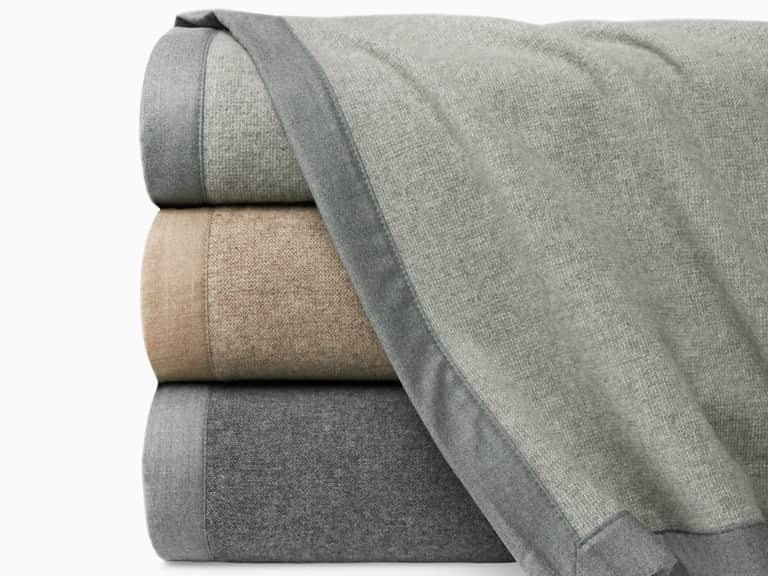
Among notable items in this category is the Nerino Blanket, which combines thoughtful design with functional benefits. Its material composition, weave, and finish contribute to warmth retention, softness, and long-lasting comfort. Such details help clarify how a blanket can contribute to a cohesive and comfortable sleep environment in colder months.
Key product features to consider include fiber content, thread count or yarn density, care requirements, and rustic or refined aesthetics. When selecting bedding in winter, evaluate layering compatibility with pillows, sheets, and wool comforters to optimize warmth, airflow, and durability within a balanced winter linen setup.
 Bedding