A Winter-Woven Story: Linen’s Timeless Comfort
Linen’s charm in winter isn’t merely about warmth; it’s about a balanced climate within the fabric. Historically, linen has stood the test of cold months by offering a cool-to-warm adaptability that many textiles struggle to mirror. Its hollow fiber structure, natural moisture management, and openness to airflow mean that linen remains breathable even when the air outside grows crisp. In winter bedrooms, it wards off stuffiness while preventing the damp heaviness that sometimes accompanies dense fabrics.
Designers and home practitioners gravitate toward linen for its humble elegance. The texture invites light to play across a bed in a way that feels honest and tactile: a material that wears beautifully, softens with use, and ages gracefully. In winter, this translates to a calm, clean sleep environment where warmth comes from thoughtfully layered bedding rather than heavy, insulating layers.
To illustrate linen’s winter versatility, we draw on trusted names in the field:
- Coyuchi: a pioneer in organic linen bedding with a reputation for sustainability and a relaxed, lived-in feel.
- Naturepedic: a brand that foregrounds organic textures and careful fiber sourcing, including organic linen options.
- St Genѐve: renowned for its refined linen throws and textiles that emphasize craftsmanship and tactile luxury.
The production journey from flax to fabric is a thread that ties history to modern comfort. Linen begins with flax plants grown in favorable climates. The fiber is then retted, spun, and woven into fabrics with a finish that can be stone-washed or garment-washed to impart a softened hand. The finish chosen—plain weave, satin, or jacquard—changes how warmth and airflow interact with the surface texture. In winter, stone-washed linen blankets and duvet covers become pleasantly soft, while still offering breathable temperature regulation.
A practical way to think about winter linen is as a layered system. Start with a base of linen sheets—cool to the touch yet breathable—paired with a linen duvet cover that isn’t overly heavy. Add throws and shams that offer tactile texture and visual warmth without sacrificing airflow. This approach aligns with a timeless, editorially serene bedroom aesthetic that keeps the focus on comfort and simplicity.
Three Key Figures in Linen’s Long Narrative
Flax Grower of Antiquity — The Linen’s Earliest Champions
The linen story begins in the fields where flax is coaxed from the soil. Ancient civilizations recognized linen not only for its beauty but for its resilience in dim winter light. The early linen farmers understood that flax fibers, when properly retted and spun, yielded a fabric that could breathe with the body. These foundational growers, long before the term “sustainability” existed, practiced a form of stewardship—cultivating a plant that would later become linen through meticulous hands and patient timelines. Their legacy is the quiet confidence of linen in winter settings: a fabric that keeps pace with shifting indoor climates without shouting its presence.
Historian of Textiles — Linen’s Global Courtship
Across centuries, linen traveled from the fields of Europe to workshops and households around the world. A historian of textiles would point to how linen is celebrated for its durability, its ability to soften yet maintain crispness after repeated washing, and its inherently breathable nature that makes it a winter ally. In worn-in, Belgian linen pillowcases and fabrics woven in Portugal or Belgium, one senses a narrative of cross-cultural expertise: European flax grown in favorable soils, spun into threads, and finished through techniques that honor the fiber’s natural character. The result is a material that ages with grace, turning a simple bed into a stage for quiet luxury.
Contemporary Craftsperson — The Modern Linensmith
In today’s studios and workshops, makers are redefining linen’s winter appeal with garment-washed finishes, stone-washed textures, and carefully curated color palettes. The craftspeople behind brands like St Genѐve, Coyuchi, and Naturepedic contribute not only goods but a philosophy: textiles that are resilient, sustainable, and beautifully simple. They bring a rich vocabulary of terms—hemstitch, flange, pick stitching, and blouse-like drape—that readers can use as a guide when selecting blankets, sheets, and decorative pillows for winter serenity.
Care Guide: Keeping Linen Winter-Soft and Long-Lasting
Caring for linen in winter isn’t about heavy detergents or rough handling; it’s about gentle practices that preserve the fabric’s texture and integrity. Here are practical rules inspired by trusted names in the field:
- Wash linen in cold to warm water with a mild detergent to protect natural oils and avoid harsh alkalies that can degrade fiber strength.
- Avoid high-heat drying; instead, opt for line-drying or tumble-drying on a low setting to reduce fiber fatigue and maintain softness.
- Iron while slightly damp on a cotton setting to reveal a crisp surface, or embrace the relaxed hand and natural wrinkling for a lived-in winter aesthetic.
- Store linen dry and clean to prevent mildew in winter’s dampness. A breathable storage environment helps linen age gracefully.
Brand references offer concrete roadmaps. For instance, Layla Linen products from DownTown Company are celebrated for stone-washed softness and durable hems, while Madison Pillow-case from Libeco is praised for a casual, relaxed finish that remains durable after repeated washes. Naturepedic and Coyuchi frequently highlight GOTS-certified linen options, ensuring organic fiber sourcing and responsible production practices.
In addition to washing guidance, care instructions for accessories—such as decorative pillow covers or duvet covers—emphasize gentle handling. Pillow shams with delicate hems pair well with pillow inserts that maintain loft without heavy compression. For winter comforters, care should be taken to prevent fill shifting by choosing quilted or baffled designs, properly securing interior layers, and following manufacturer guidance for dry cleaning when applicable.
Product Spotlight: Madison Pillow-Case and Layla Linen Duvet Cover
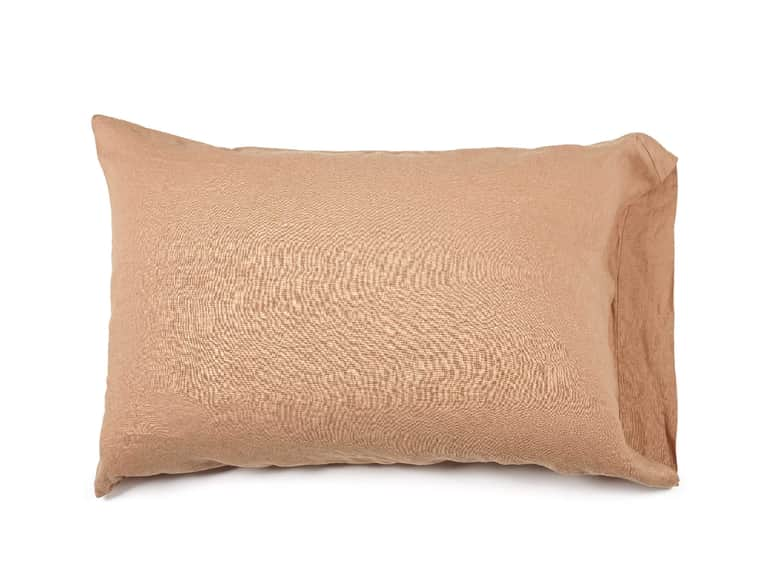
Madison Pillow-Case (5179)
A 100% linen pillow-case with a washed finish, woven in Belgium with European flax. The Madison pillow-case embodies everyday ease—softened with use yet durable enough for year-round display. It shares a calm, understated character that pairs with a wide range of linens, inviting a tranquil night’s sleep.
- Material: 100% linen
- Finish: Washed finish
- Origin: Woven in Belgium with European flax yarn
Price: $98.50
Downtown Company Layla Linen Duvet Cover (5006)
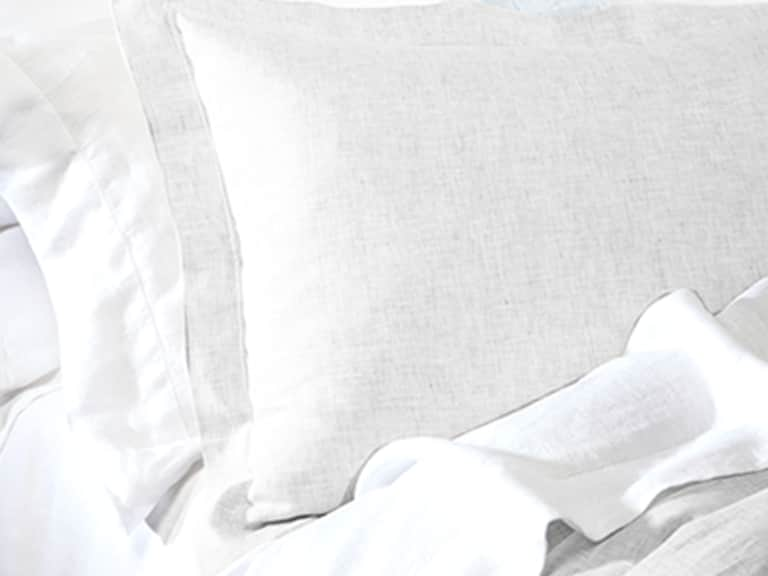
The Layla Linen Duvet Cover offers a relaxed, refined aesthetic crafted from 100% natural flax linen. Stone-washed for softness, it features a hemstitch detail and flange in classic white, designed in Portugal with a mill heritage spanning over a century.
- Material: 100% flax linen
- Finish: Stone-washed for softness
- Origin: Made in Portugal
Price: $535.00
Featured product images reflect the Madison Pillow-Case and Layla Linen Duvet Cover as representative examples of winter linen styling—timeless, breathable, and easy to care for. Images depict the pillow-case in white and cinnamon tones and the duvet cover in white with a refined edge, illustrating how simple textures elevate a winter bedroom.
Sustainability in Winter Linen: A Quiet Commitment
Winter linen isn’t only about comfort; it’s about a sustainable mindset that honors both the planet and the people who craft these fabrics. Linen’s durability delays replacement cycles, and its fibers move moisture efficiently, which can reduce energy use in climate-controlled interiors by enabling comfortable temperatures with lighter bedding layers.
The brands featured in this article—Coyuchi, Naturepedic, St Genѐve, and Layla by DownTown Company—are frequently cited for their transparency, organic fiber sourcing, and ethical production practices. When choosing winter linens, readers can look for certifications like GOTS (Global Organic Textile Standard) and Belgian Linen labels to ensure provenance and responsible manufacturing.
The future of linen in winter looks bright with continued emphasis on tactile luxury and sustainable craft. As small studios and large brands alike refine stone-washed textures and relaxed finishes, linen remains a symbol of enduring quality—an antidote to fast fashion and a testament to thoughtful, seasonal living.