A practical guide to textile labels
Reading the Label: What Makes Organic Sheets Different?
“Organic” can be a meaningful clue about how a fiber was grown and processed—but it does not tell the whole story of a sheet. To understand what you are bringing home, look beyond the headline claim: check the certification, fiber content, weave, weight, finishing, and care instructions. Those details help explain how sheets may feel, how they are made, and how they could change with use.
Published October 24, 2026
Organic is a starting point, not a feel
On a bedding label, the word “organic” usually refers to the way a natural fiber was grown, and sometimes to rules governing what happens to it during processing. It does not automatically mean that every sheet in the organic category will feel equally crisp, soft, cool, heavy, or smooth. Those qualities depend on the fiber itself, the yarn, the weave, the fabric’s weight, and the finishing steps used by the maker.
That distinction matters because shopping language can make unlike fabrics sound interchangeable. Two sets of organic cotton sheets, for example, may differ substantially in texture and drape. Organic linen and organic cotton are also not the same material: linen comes from flax, while cotton comes from cotton plants. Each fiber has its own structure, and the way it is spun and woven shapes the finished cloth.
Think of a label as a small but useful map. It can tell you which fiber is present, whether a recognized certification applies, and how the fabric is expected to be cared for. It rarely answers every question about comfort or durability, but it helps you compare options on firmer ground than a marketing phrase alone.
What a GOTS certification can tell you
The Global Organic Textile Standard, commonly shortened to GOTS, is a textile certification with criteria that cover more than the agricultural origin of a fiber. Depending on the product and its certification status, the standard addresses defined stages of textile processing and manufacturing as well as requirements related to environmental and social practices. The important detail for shoppers is that certification applies within a stated scope: check the claim and its supporting information rather than assuming that a familiar acronym covers every part of a product’s journey.
When a sheet set is described as GOTS certified, look for clear wording about what is certified and whether the claim refers to the textile or finished product. A credible product page or package should make the certification understandable, not leave you to guess what the logo means. If details are missing, you can ask the seller for clarification or consult the certifier’s current public guidance.
Certification can help make a complex supply chain easier to interpret, but it is not a rating of softness, thread count, wrinkle resistance, or expected lifespan. A certified sheet can feel crisp or relaxed, depending on its construction and finish. It also does not mean the product is suited to every sleeper, climate, mattress, or laundry routine. Those questions still call for a closer look at the fabric specifications.
It is also useful to distinguish a certification from a general sustainability statement. “Natural,” “earth-friendly,” and “responsibly made” may communicate a brand’s intentions, but the wording alone does not identify a specific standard or explain how it was verified. When comparing textile labels, precise claims and named certifications are more informative than broad adjectives.
Fiber content: cotton, flax, and blends
Start with the fiber-content line. It tells you what the fabric is made from, which is more useful than a front-of-package description by itself. If a sheet is labeled 100% linen, its textile fiber comes from flax. If it is a cotton-linen blend, the proportions matter: a small amount of one fiber can influence the character of a fabric, but it will not make the whole sheet behave like a single-fiber textile.
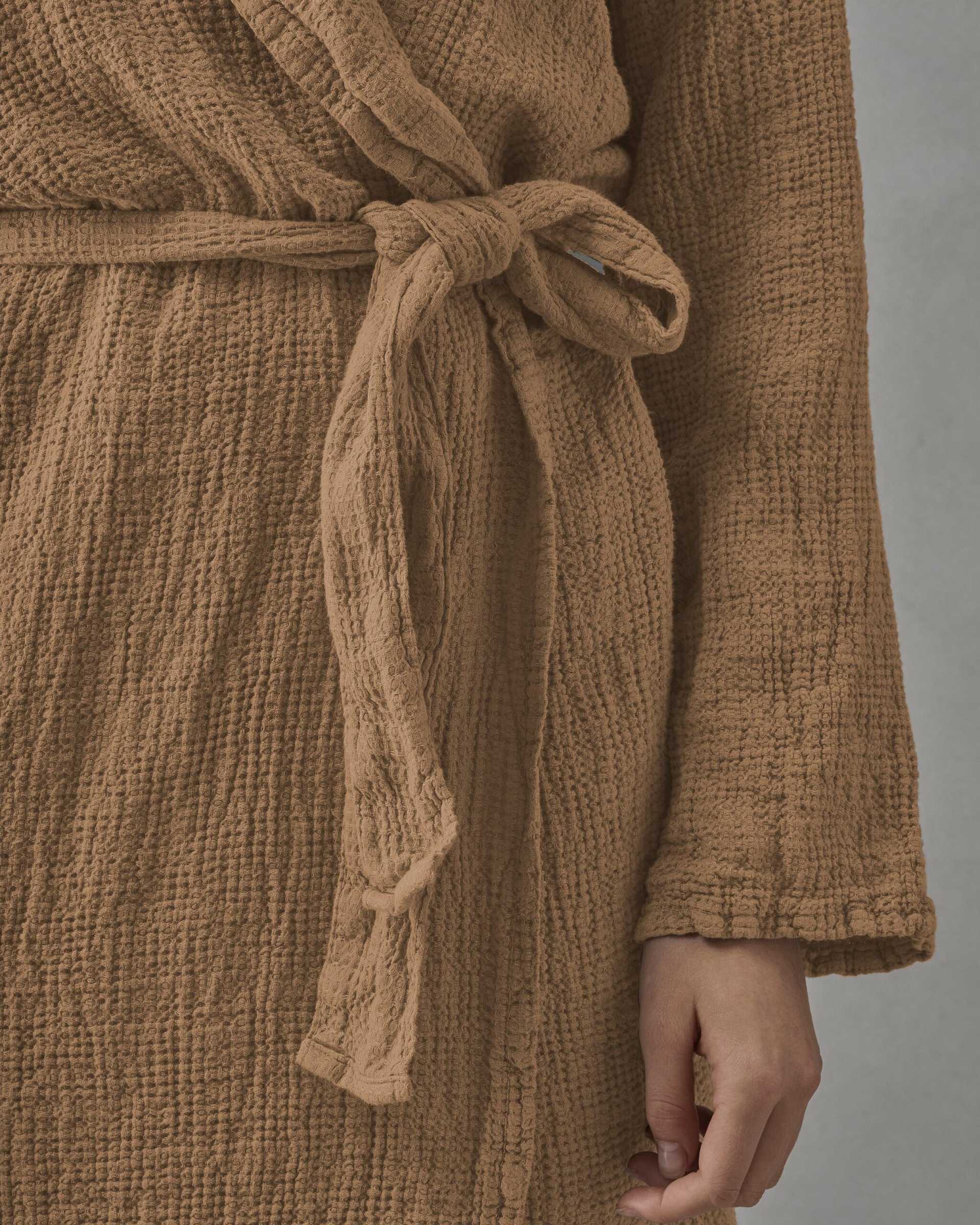
Linen is made from flax fibers. In bedding, linen is often chosen for its textured hand, relaxed drape, and capacity to move moisture and air through the fabric. Its appearance may be naturally irregular, and it can wrinkle more readily than some smoother fabrics. These traits are not proof of quality or a defect on their own; they are part of the material’s character and may suit people who like a less polished, more lived-in bed.
Cotton sheets can also vary widely. Fiber length, yarn construction, weave, and finishing all contribute to their feel. A cotton label alone does not say whether the sheet is crisp percale, lustrous sateen, or another construction. In the same way, “organic cotton” identifies a sourcing claim, not a guaranteed texture.
Check whether a label names one fiber or a blend, and look for percentages when more than one material is used. This matters not just for comfort but for care: different fibers can respond differently to heat, washing, and drying. A clear fiber declaration lets you compare like with like and gives you a better chance of choosing sheets that match your preferences.
Weave and construction shape the sleeping surface
Fiber is only the beginning. The weave describes how yarns cross to form fabric, and it can make a noticeable difference to surface texture, drape, and airflow. Percale is commonly associated with a crisp, matte hand, while sateen often has a smoother surface and a subtle sheen. Linen sheets can also be woven in different ways, and the resulting fabric may feel more open, compact, weighty, or fluid depending on the design.
Labels and product descriptions do not always use construction terms consistently, so pay attention to specific details when they are provided. If the listing only says “soft” or “luxurious,” that may be pleasant copy, but it does not tell you how the fabric is built. A named weave, fabric weight, or clear explanation of the finish gives you more to work with.
Thread count is another familiar number, but it should not be treated as a complete quality score. It refers to the number of threads counted within a particular area under the method used by the manufacturer. It does not tell you by itself which fiber was used, how strong the yarn is, whether the fabric feels comfortable, or how well it will suit your bed. For linen especially, weight and weave may provide more useful context than chasing a high thread-count figure.
Construction details also affect fit and everyday use. A fitted sheet’s pocket depth should be compared with the height of your mattress, including any topper. The type of elastic and the shape of the corners influence how securely it stays in place. These practical features may not sound glamorous, but they can make the difference between a neat bed and a sheet that slips off overnight.
Fabric weight: a clue, not a verdict
Some bedding labels list fabric weight in grams per square metre (gsm) or ounces per square yard. Weight can help distinguish a lighter cloth from a more substantial one, especially when comparing fabrics made from similar fibers. But it is not a universal score of quality, comfort, or durability. A lighter sheet may feel airy and easy to layer; a heavier one may have more presence and drape. Whether either is right depends on personal preference and the rest of your sleep environment.
When comparing sheets, use weight as one piece of context alongside fiber and weave. A heavier textile is not automatically warmer in every situation, and a lighter one is not automatically less durable. Yarn quality, construction, finishing, and how the fabric is cared for all contribute. If one product listing provides gsm and another does not, resist treating the missing figure as a flaw; specifications are useful, but they do not replace a hands-on feel or a reliable description.
For online shopping, look for a combination of concrete information: fiber composition, weave or construction, stated weight if available, and a realistic care guide. Together, those details tell a more complete story than any single number can.
Finishing changes the first impression
After fabric is woven, finishing steps can influence how it looks and feels. Washing or stone-washing may give a textile a softer, more relaxed hand before it reaches your home. Garment washing and other treatments can also affect the fabric’s initial drape and surface. The exact result depends on the process, so a finish name should be read as a clue rather than a promise that every person will experience the same sensation.
Dyes and additional finishes are worth considering, too. Product information may identify the use of low-impact dyes, a softener, or another treatment. Look for specific explanations rather than assuming that organic fiber automatically means no processing or no added substances. A textile passes through multiple stages between plant and finished sheet, and the label may describe some, but not all, of them.
Some buyers prefer sheets that feel soft right away; others are comfortable with a firmer first impression that changes with laundering. Linen, in particular, is often valued for the way its feel can develop through use. Still, no label can guarantee a particular personal response. If you are sensitive to texture, consider a seller’s return policy and seek out precise descriptions of the finish before making a decision.
Care instructions are part of the product
The care label is not an afterthought. It offers practical guidance for keeping the fabric in good condition, and it should fit the way you actually do laundry. A set that requires more delicate handling may still be a good choice, but it is worth knowing what that means before you buy. Check water temperature, cycle recommendations, drying instructions, ironing advice, and any warnings about bleach or fabric softener.
Organic sheets do not all share one care routine. Instructions can differ by fiber, dye, weave, finishing, and the manufacturer’s construction choices. Follow the directions supplied with the specific set rather than relying on a blanket rule for all linen or all cotton. When washing a new set, separate it from items likely to snag it, avoid overloading the machine, and use detergent in an amount appropriate to the load and product directions.
Drying deserves attention because excessive heat and overdrying can stress many textiles. If the care label allows tumble drying, use the recommended setting and remove sheets when they are dry rather than leaving them in a hot drum. Line drying may be an option where practical. For linen, some people prefer a naturally relaxed finish; others use a warm iron while the fabric is slightly damp, if the label permits.
Repeated washing is part of a sheet’s real-life performance. A fabric may become more supple, maintain its structure, fade, or show wear depending on its materials and how it is treated. Care directions cannot guarantee a particular lifespan, but following them is a sensible way to reduce avoidable wear and preserve the qualities you chose the sheets for.
A simple way to compare organic sheets
When a few options catch your eye, compare them in the same order. This keeps the decision grounded in details rather than the most persuasive phrase on the packaging.
- Identify the fiber. Is the sheet cotton, linen made from flax, or a blend? Look for percentages when multiple fibers are present.
- Read the organic claim carefully. Does the listing explain what is organic and name a certification, such as GOTS?
- Check the construction. Look for weave information, fabric weight where available, and details about the fitted-sheet design.
- Understand the finish. Washing, softening, and dyeing descriptions can help explain the fabric’s initial feel and appearance.
- Match care to your routine. Confirm whether the sheets can be machine washed and dried in the way you prefer.
- Measure your bed. Compare sheet dimensions and fitted-sheet pocket depth with your mattress and any topper.
This method is useful whether you are considering linen sheets, cotton sheets, or another natural-fiber option. It also helps keep comparisons fair: an organic claim and a fabric-weight number answer different questions, so neither should be expected to stand in for all the others.
Common label assumptions to leave behind
“Organic means softer.” Not necessarily. Organic refers to sourcing and, where a standard applies, defined production requirements. Softness is affected by yarn, weave, finish, and personal preference.
“Certified means the sheets will last forever.” Certification is not a lifetime guarantee. Durability depends on the textile’s construction, use, laundering, and the conditions of its warranty, if one is offered.
“Higher thread count is always better.” A larger number alone does not establish quality or comfort. Compare fiber, weave, construction, and care as well.
“Natural fiber means no chemical processing.” Natural fibers still undergo processing to become yarn and fabric. A product’s organic claim does not mean every stage is unprocessed; check the actual certification and the maker’s disclosures.
“Breathable means cool for everyone.” Breathability can be a helpful fabric characteristic, but sleep comfort also depends on room temperature, bedding layers, mattress materials, and individual preferences. Treat performance language as useful context, not a guarantee of a particular night’s sleep.
A better-informed label read
Organic sheets can appeal to people who want to know more about how their bedding fibers were grown and processed. The label is most helpful when it gives you specifics: the fiber, its composition, any applicable certification, fabric construction, finish, dimensions, and care instructions. That information makes it easier to understand what the product is—and what it is not promising.
For a linen set, begin by confirming that the fiber is flax linen and checking whether it is blended with another material. Then look at weave, weight, finishing, and the care guidance. For cotton, use the same approach: organic sourcing is one consideration, while weave and construction help explain the feel. Across all sheet materials, certifications can add meaningful supply-chain information, but they do not replace the practical details that shape comfort and use.
The best label is not necessarily the one with the most impressive-sounding words. It is the one that helps you make a clear comparison and choose bedding suited to your preferences, mattress, climate, and laundry habits. Read the fine print, ask questions when a claim is vague, and let the full set of details—not a single word—guide your decision.